
Artificial Intelligence is no longer a futuristic concept confined to sci-fi novels and tech labs – it’s here, and it’s transforming the way we live. From the moment we wake up to the time we go to bed, AI quietly powers many of the tools and services we rely on daily. Whether it’s your smart assistant reminding you of a meeting, your streaming app suggesting the perfect film, or your car avoiding traffic build ups, AI is embedded in the fabric of modern life.
In this post, we’ll explore how artificial intelligence is changing the way we live from our homes and workplaces to healthcare and everyday services while also considering the ethical questions that come with this powerful technology.
AI at Home
Artificial Intelligence has quietly become a trusted companion in our homes, streamlining daily routines and enhancing comfort, convenience, and security. What once felt like science fiction – talking to machines, automating chores, or having personalised entertainment – is now part of everyday life.
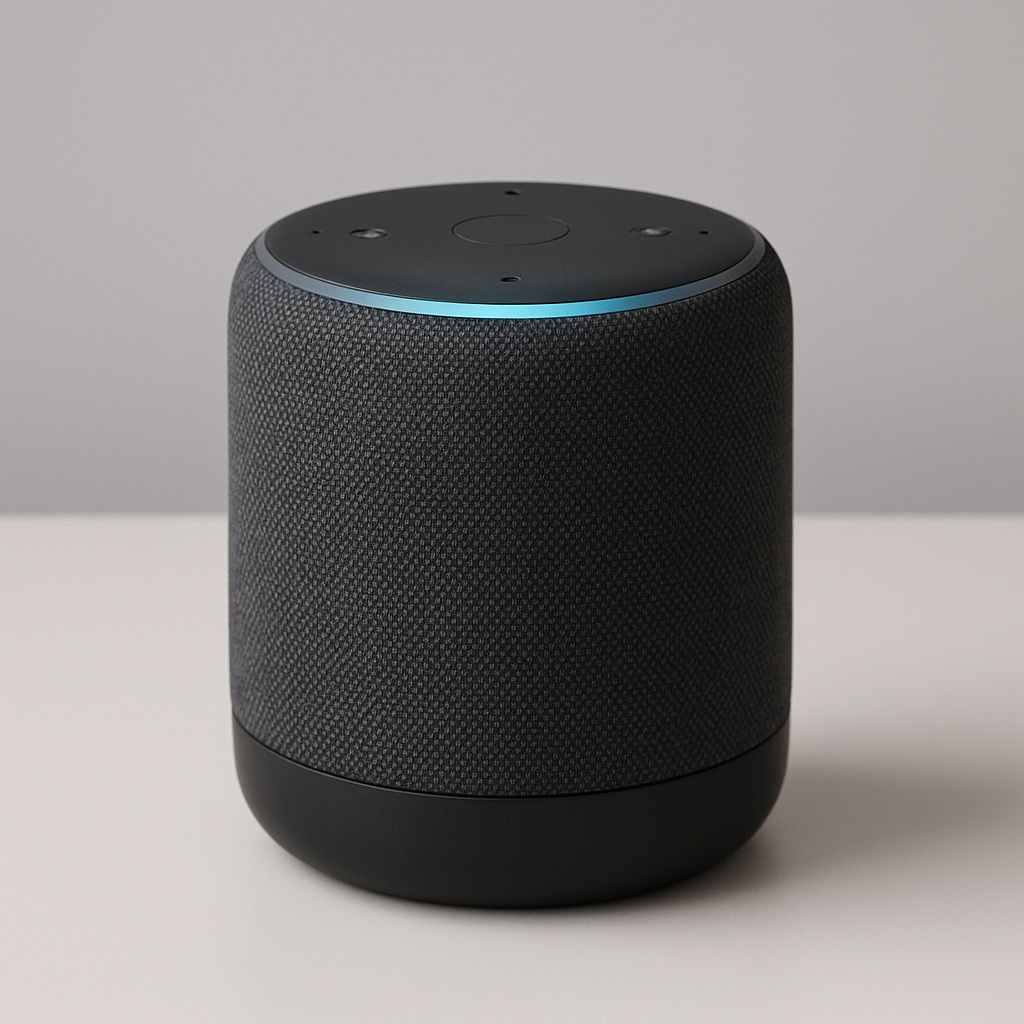
1. Smart Assistants and Voice Control
Devices like Amazon Alexa, Google Assistant, and Apple’s Siri have transformed how we interact with technology. These AI-powered assistants can:
- Set reminders and alarms
- Control smart home devices (lights, thermostats, locks)
- Answer questions and provide news or weather updates
- Play music or audiobooks on command
Their ability to understand natural language and learn user preferences makes them increasingly intuitive and helpful.
2. Personalised Entertainment
Streaming platforms like Netflix, Spotify, and YouTube use AI algorithms to analyse your viewing or listening habits and suggest content tailored to your tastes. This personalisation not only enhances user experience but also helps you discover new favorites you might never have found on your own. It can also identify worrying patterns in your own viewing but who doesn’t love a good murder show!
3. Home Automation and Security
AI is also at the heart of smart home ecosystems:
- Thermostats like Nest learn your schedule and adjust temperatures for comfort and energy efficiency.
- Security systems use facial recognition and motion detection to alert homeowners of unusual activity.
- Robot vacuums like Roomba map your home and clean efficiently, adapting to different surfaces and obstacles.
These technologies reduce manual effort and provide peace of mind, making homes smarter and more responsive.
AI at Work
One of the most profound examples of how artificial intelligence is changing the way we live is in the workplace. Across industries, AI is transforming how businesses operate, make decisions, and deliver value. For technology providers, this shift presents both an opportunity and a responsibility: to empower organisations with tools that are not only intelligent but also ethical, scalable, and human-centric.
1. Boosting Productivity and Efficiency
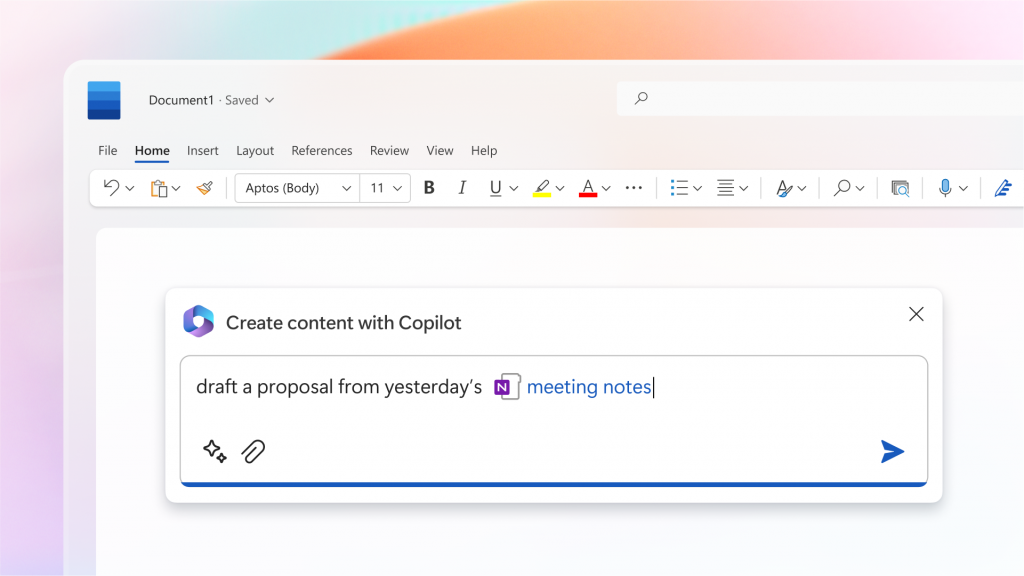
AI-powered tools, such as Copilot embedded in Microsoft 365, are streamlining workflows and reducing time spent on repetitive tasks. From automated scheduling assistants to intelligent document processing, businesses are seeing measurable gains in efficiency. For example:
- AI writing assistants help draft emails, reports, and proposals.
- Data extraction tools can scan and interpret invoices, contracts, and forms.
- Smart scheduling platforms optimise meetings and resource allocation.
These tools free up human talent to focus on higher-value, strategic work.
2. Enhancing Decision-Making with Data Insights
AI excels at analysing large volumes of data quickly and accurately. In business contexts, this means:
- Predictive analytics for sales forecasting, customer churn, or inventory planning.
- Natural language processing to extract insights from customer feedback or support tickets.
- Real-time dashboards that surface trends and anomalies for faster decision-making.
By turning raw data into actionable insights, AI enables leaders to make more informed, confident choices.
3. Transforming Customer Experience
AI is redefining how businesses engage with customers:
- Chatbots and virtual agents provide 24/7 support, handling common queries and escalating complex issues.
- Recommendation engines personalise product suggestions based on user behaviour.
- Sentiment analysis helps brands understand how customers feel and respond proactively.
These technologies not only improve satisfaction but also build loyalty and trust.
4. Driving Innovation in Creative and Technical Fields
AI is no longer confined to back-office automation. It’s also fuelling innovation in areas like:
- Design and marketing, where generative AI tools assist with content creation, image generation, and campaign testing.
- Software development, where AI can suggest code, detect bugs, and accelerate testing.
- Product development, where machine learning models help simulate outcomes and optimise features.
This blend of human creativity and machine intelligence is opening new frontiers in business innovation.
5. Supporting Scalable Growth
For growing businesses, AI offers scalability without proportional increases in cost or headcount. Cloud-based AI services allow companies to:
- Automate onboarding and training
- Monitor operations in real time
- Adapt quickly to market changes
This agility is especially valuable in competitive or fast-moving sectors.
AI in Manufacturing
Manufacturing is one of the clearest examples of how artificial intelligence is changing the way we live, particularly in the way goods are designed, produced, and delivered. AI is helping manufacturers become more agile, efficient, and resilient in the face of global challenges and rising customer expectations.
1. Predictive Maintenance and Reduced Downtime
AI-powered systems can monitor equipment in real time, identifying patterns that signal potential failures before they occur. This allows manufacturers to:
- Schedule maintenance only when needed
- Avoid costly unplanned downtime
- Extend the lifespan of machinery
Predictive maintenance not only saves money but also improves safety and operational continuity.
2. Quality Control and Defect Detection
Computer vision and machine learning are revolutionising quality assurance. AI can:
- Inspect products on the production line at high speed
- Detect defects with greater accuracy than human inspectors
- Learn from past errors to improve over time
This leads to higher product quality, reduced waste, and greater customer satisfaction.
3. Supply Chain Optimisation
AI helps manufacturers respond more effectively to supply chain disruptions by:
- Forecasting demand with greater accuracy
- Identifying bottlenecks and inefficiencies
- Recommending optimal sourcing and logistics strategies
With AI, supply chains become more transparent, responsive, and resilient.
4. Process Automation and Robotics
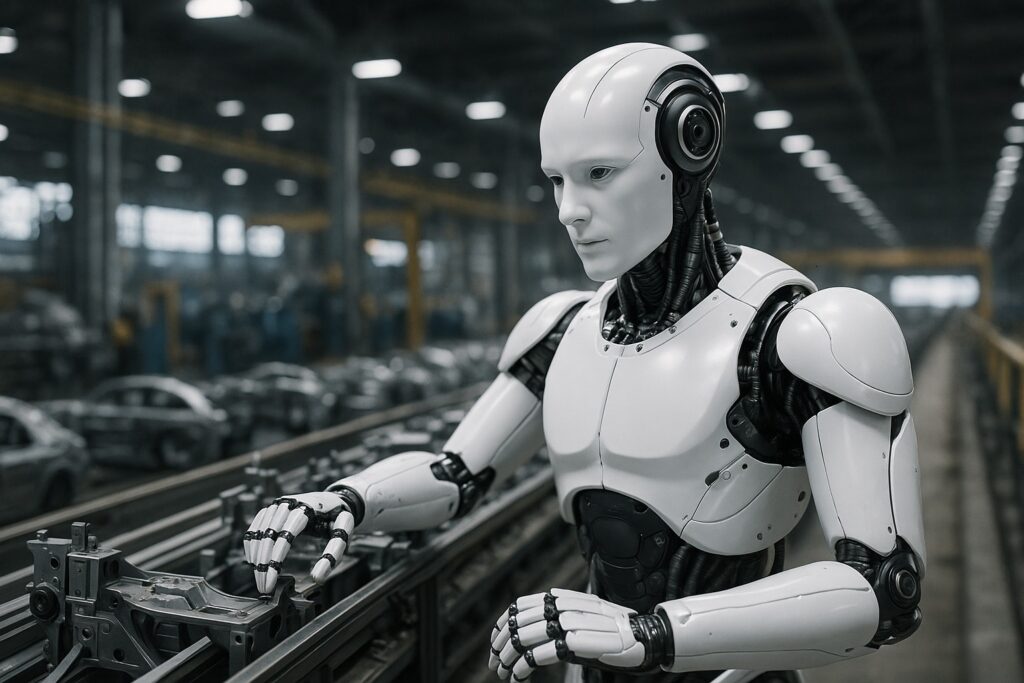
AI-driven robots and cobots (collaborative robots) are taking on repetitive or hazardous tasks, such as:
- Assembly line operations
- Packaging and palletising
- Material handling
These systems can adapt to changes in production and work safely alongside human operators, increasing throughput without compromising safety.
5. Energy Efficiency and Sustainability
AI is also helping manufacturers reduce their environmental impact by:
- Monitoring energy usage in real time
- Optimising heating, cooling, and lighting systems
- Identifying opportunities to reduce waste and emissions
This supports both cost savings and sustainability goals, which are increasingly important to customers and regulators alike.
AI in Daily Services
Beyond the workplace and industrial settings, AI is increasingly embedded in the services we use every day. From how we travel and shop to how we manage our finances, artificial intelligence is making services faster, smarter, and more personalised.
1. Smarter Transport and Navigation
AI is transforming how we move through the world:
- Navigation apps like Google Maps and Waze use real-time data and machine learning to suggest the fastest routes and avoid traffic.
- Public transport systems are using AI to optimise schedules and reduce delays.
- Autonomous vehicles, while still emerging, are being tested for deliveries and ride-sharing, promising safer and more efficient transport in the future.
These innovations are making travel more predictable and less stressful. During a recent trip to San Francisco I witnessed the Waymo autonomous taxi service – it’s a pretty surreal experience the first time you see one of these driverless vehicles picking up a passenger.
2. Retail and E-Commerce
AI is reshaping the shopping experience, both online and in-store:
- Recommendation engines suggest products based on browsing and purchase history.
- Chatbots assist with customer service, returns, and product queries.
- Inventory management systems use AI to forecast demand and reduce overstock or shortages.
This results in more efficient operations for retailers and a smoother experience for customers.
3. Banking and Financial Services
In finance, AI is helping people manage their money more securely and intelligently:
- Fraud detection systems monitor transactions in real time and flag suspicious activity.
- Robo-advisors provide automated investment advice based on user goals and risk tolerance.
- AI chatbots in banking apps help users check balances, transfer funds, and get support instantly.
These tools are making financial services more accessible and responsive.
4. Public Services and Local Government
AI is also being adopted by councils and public sector organisations to:
- Improve waste collection routes
- Monitor air quality and traffic patterns
- Provide automated responses to citizen enquiries
These applications show how artificial intelligence is changing the way we live at a community level, not just individually.
Ethical Considerations and Challenges
As we continue to see how artificial intelligence is changing the way we live, it’s essential to recognise that this transformation brings not only opportunities but also complex ethical questions. For businesses and technology providers, addressing these challenges is key to building trust and ensuring long-term success.
1. Bias and Fairness
AI systems learn from data — and if that data reflects historical biases, the AI can unintentionally reinforce them. This is particularly concerning in areas like:
- Recruitment and hiring
- Credit scoring
- Law enforcement and surveillance
Ensuring fairness requires diverse training data, transparent algorithms, and regular audits to detect and correct bias.
We all have a responsibility to train AI correctly, ensuring that the data we put out into the world is accurate and diverse. Think about your Alt-Text in images. AI is getting somewhat better in some areas but many experiments have show that it takes social stereotypes and compounds them.
2. Privacy and Data Protection
AI often relies on large volumes of personal data to function effectively. This raises important questions about:
- How data is collected and stored
- Who has access to it
- Whether users have given informed consent
With regulations like the UK GDPR in place, businesses must prioritise privacy by design and ensure compliance at every stage of development.
3. Transparency and Explainability
Many AI models, especially deep learning systems, operate as “black boxes” — making decisions without clear explanations. This lack of transparency can be problematic in high-stakes environments such as healthcare, finance, or legal services.
There is growing demand for explainable AI that allows users to understand how decisions are made and challenge them if necessary.
4. Job Displacement and Workforce Impact
While AI can enhance productivity, it also raises concerns about automation replacing human jobs. The challenge is to:
- Reskill and upskill workers for new roles
- Use AI to augment rather than replace human capabilities
- Ensure that the benefits of AI are shared across society
Technology providers have a role to play in supporting ethical adoption and workforce transition.
5. Accountability and Regulation
As AI becomes more embedded in critical systems, questions of accountability become urgent. Who is responsible when an AI system makes a harmful decision — the developer, the user, or the machine itself?
If you want to learn more about bias and ethics in AI I’d recommend this Ted Talk by Joyann Boyce, who was a speaker at the recent East Midlands Chamber AI and Automation in Marketing event.
Clear governance frameworks and industry standards are essential to ensure responsible innovation.
Responsible AI in Practice
Both within Your and IT and our sister brand Your Automation, we believe that the true power of AI lies not just in what it can do, but in how it’s applied. As a technology provider, we’re committed to helping businesses harness AI responsibly, effectively, and with long-term value in mind.
One of the ways we do this is through our AI and Automation Opportunity Assessment. This structured process helps organisations identify where AI and automation can deliver the greatest impact — whether that’s improving efficiency, reducing costs, or enhancing customer experience. We take into account not just technical feasibility, but also ethical considerations, data readiness, and change management.
We also provide AI and automation support to other Managed Service Providers (MSPs), helping them deliver smarter solutions to their clients. Through our Your Automation platform, we offer strategic guidance and hands-on implementation support — enabling MSPs to stay competitive in a rapidly evolving market.

Importantly, we don’t just advise on AI — we use it ourselves. From internal process automation to customer support and content generation, we actively integrate AI into our own operations. This gives us first-hand insight into the challenges and opportunities our clients face, and ensures we’re always learning, adapting, and improving.
By combining technical expertise with a strong ethical foundation, we aim to be a trusted partner in helping businesses navigate how artificial intelligence is changing the way we live and work.
Embracing the AI-Driven Future
From smart homes and intelligent factories to personalised services and predictive healthcare, it’s clear how artificial intelligence is changing the way we live. What was once the domain of science fiction is now a practical, powerful force shaping our daily experiences and business operations.
But with this transformation comes responsibility. As AI continues to evolve, so must our approach to deploying it — with care, transparency, and a focus on real human benefit.
At Your IT and Your Automation, we’re proud to be part of this journey. Whether it’s helping businesses uncover automation opportunities, supporting MSPs with scalable AI solutions, or applying these technologies within our own operations, we’re committed to making AI accessible, ethical, and impactful.
The future isn’t just coming — it’s already here. And with the right tools and guidance, every organisation can be ready to thrive in it.